
Führungskräfte Coaching Frankfurt
Lernen Sie Führung nicht aus Büchern, sondern durch Osmose mit der Elite. Theoriewissen reicht für das mittlere Management. Wer aber in den Vorstand will (oder dort überleben muss), braucht Strategien, die in keinem Lehrbuch stehen.
Wir bieten Ihnen Zugang zu einem Zirkel, der sonst verschlossen bleibt: Ex-DAX-CEOs (Siemens), FIFA-Welt-Schiedsrichter und Profiler.
Wir sparren Sie auf Augenhöhe – für politische Immunität, echte Autorität und Ihren nächsten Karrieresprung.

35 zertifizierte Coaches Darunter Ex-CEOs, Harvard-Affiliates und TED-Speaker
Individuelles Matching Der richtige Experte für Ihre Herausforderung
DAX-Referenzen Siemens, Deutsche Bank, Lufthansa und weitere
Führungskräfte-Coaching ist ein Teil unseres Angebots – alle Coaching-Leistungen und Coaches in Frankfurt finden Sie auf der Startseite des Instituts.


Führungskräfte Coaching Frankfurt – seit 2021 begleiten wir Geschäftsführer, Vorstände und Teamleiter auf dem Weg zu exzellenter Führung. Unser 35-köpfiges Expertenteam vereint jahrzehntelange C-Level-Erfahrung: Heinrich von Pierer führte als CEO die Siemens AG durch die Globalisierung, Urs Meier traf als FIFA-Schiedsrichter Entscheidungen unter extremem Druck,
Laura Baxter trainiert als TED-Speakerin Führungskräfte in Präsenz und Wirkung.
Was unterscheidet uns von anderen Coaching-Anbietern in Frankfurt? Sie arbeiten nicht mit Theoretikern, sondern mit Praktikern, die selbst in der Chefetage saßen. Unsere Coaches kennen die Herausforderungen aus eigener Erfahrung – ob Vorstandssitzung, Konflikt im Management-Team oder die ersten 100 Tage als neue Führungskraft.
Erfahren Sie mehr über unsere Executive Coaching Programme oder vereinbaren Sie ein kostenloses Erstgespräch.
Coaching-Investition: Unsere Honorare
Was kostet eine einzige Fehlentscheidung im Management? Oft mehr als ein Jahres-Coaching. Hier ist Ihre Investition in Exzellenz:
| Coaching-Art | Honorar pro Stunde (zzgl. MwSt.) |
|---|---|
| Selbstzahler (Fach- und Führungskräfte privat) | 220 € |
| Unternehmen (Firmenmandat, Rechnung an den Arbeitgeber) | 330 € |
| Team-Coaching, Workshops & Programme | Tagessatz bzw. Paketpreis auf Anfrage |
Laut der RAUEN Coaching-Marktanalyse 2024 liegt das durchschnittliche Honorar für Unternehmenskunden bei 330€ pro Stunde.
„Gute Führung ist kein Kostenfaktor, sondern eine Investition in die Zukunft des Unternehmens.“
– Heinrich von Pierer, ehem. CEO Siemens AG und Coach des Coaching Institut Frankfurt
Executive Coaching Frankfurt: Die unsichtbaren Regeln der Macht
Fachkompetenz bringt Sie bis zur Abteilungsleitung. Aber Persönlichkeit und politische Intelligenz entscheiden über den C-Level.
Stellen Sie sich diese Fragen ehrlich:
- Wahrnehmung: Werden Sie bereits als „Leader“ gesehen oder nur als „guter Arbeiter“?
- Isolation: Haben Sie noch jemanden, der Ihnen wirklich die Wahrheit sagt, oder sind Sie von „Ja-Sagern“ umgeben?
- Politik: Wissen Sie, wie Entscheidungen im Aufsichtsrat wirklich fallen, bevor das Meeting überhaupt beginnt?
Wenn Sie hier zögern, ist unser Executive Sparring Ihr Wettbewerbsvorteil.
Kein Streichelzoo: Sparring auf Senior-Niveau
In den Türmen der Mainmetropole gelten eigene Gesetze. Wer hier führt, navigiert zwischen politischem Druck, extremen Erwartungshaltungen und globalem Wettbewerb. Empathie ist wichtig, aber Durchsetzungsstärke ist überlebensnotwendig.
Wir machen kein „Kuschel-Coaching“. Wir bieten Ihnen strategisches Sparring mit Menschen, die diese Drucksituationen selbst erlebt und gemeistert haben. Lernen Sie nicht aus Lehrbüchern, sondern von denen, die den Weg bereits gegangen sind.
Kein Zufall, sondern System: Ihr Weg zur Zusammenarbeit
In der Mainmetropole ist Zeit die härteste Währung. Unser Onboarding-Prozess für Führungskräfte ist auf maximale Effizienz und absolute Diskretion ausgelegt – ohne voreilige Commitments.
Schritt 1: Die Diagnose (Kostenfreies Strategiegespräch)
In einem 30-minütigen Erstgespräch (telefonisch oder per Video) analysieren wir Ihre exakte Ausgangslage. Wir klären, ob Sie einen Change-Experten für den Konzernumbau oder einen Sparringspartner für Ihre neue Vorstandsrolle benötigen.
Schritt 2: Das Experten-Matching
Wir weisen Ihnen keinen Zufalls-Coach zu. Unser Board wählt aus 35 Profilen den Experten aus, der Ihre Branche (Finance, Consulting, Industrie) und Ihre Flughöhe aus eigener Erfahrung kennt. Sie erhalten ein glasklares, verbindliches Angebot.
Schritt 3: Der Chemistry-Check & Start
Sie lernen Ihren Coach unverbindlich kennen. Erst wenn die persönliche Passung zu 100 % stimmt, beginnt die Arbeit. Diskret in unseren Institutsräumen im Oeder Weg (Frankfurt Nordend), bei Ihnen im Headquarters oder weltweit remote.
Leadership Coaching: Die 4 Säulen moderner Führungskompetenz
Strategie Nicht den Tag verwalten, sondern die Zukunft formen. Raus aus dem Mikromanagement.
Exekution PS auf die Straße bringen. Ideen nicht nur haben, sondern Ergebnisse erzwingen.
Einfluss Politische Allianzen schmieden und Stakeholder steuern – ohne sich zu verbiegen.
Legacy Etwas hinterlassen, das bleibt. Den Übergang vom Manager zum Leader vollziehen.
Unsere Coaches: Experten für Ihre Führungskarriere
Unsere Experten: 6 von 35 herausragenden Coaches
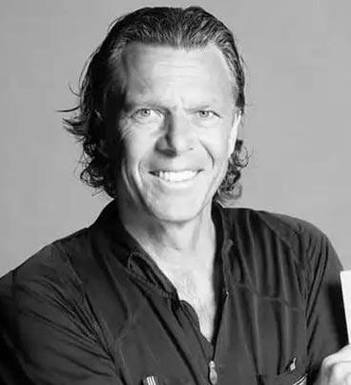
URS MEIER – Executive Coach für Entscheidungsstärke unter Druck
BEOBACHTER UND ENTSCHEIDER:
FIFA-Welt-Schiedsrichter: 880+ Profi-Spiele, 6x Schiedsrichter des Jahres
AUTOR
„Du bist die Entscheidung“
FERNSEHKOMMENTATOR
Deutscher Fernsehpreis zur WM 2006
TEDx Speaker
„Vision with action can change the world“
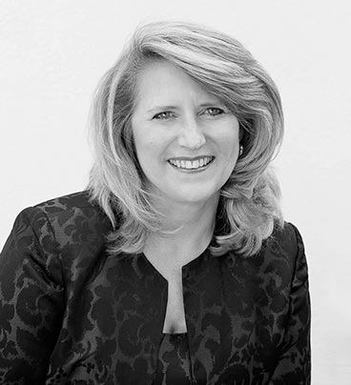
LAURA BAXTER – Expertin für Körpersprache und Executive Präsenz.
ZERTIFIZIERT
BDVT e. V., DVNLP, NLP, DSZ, DGSL
OPERNSÄNGERIN
Opernsängerin mit 100+ internationalen Auftritten
KEYNOTE SPEAKER
German Speakers Association, Global Speakers Federation, Speakersʼ Excellenceʼs Top 100 Trainers
TED Talk
TEDxCapeMay Vortrag
Thema: Discovering the Power of Your Voice

NATALIE WINTERMANTEL – Diplom-Psychologin und systemischer Coach
Diplom-Psychologin
Goethe-Universität Frankfurt
Autorin
„Schnecken sind nicht langsam, sie schätzen nur das Leben“ (2016)
„Die Liebe wächst mit ihren Aufgaben (2017)“
„Alles ist gleichzeitig da“ (2019)
„Manager Beziehung retten“ (2022)
Dozentin für Systemisches Coaching und Mediation
Radius IKK, Frankfurt am Main
Institut für Kommunikation und Konfliktmanagement
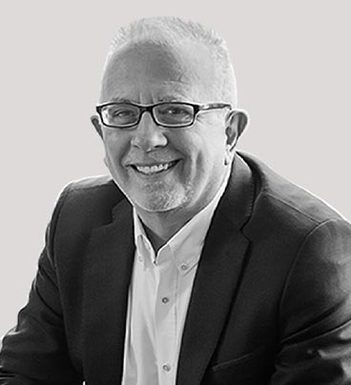
DR. CARLOS DAVIDOVICH – Executive Coach für Neuroleadership
VORDENKER
Institute of Coaching at McLean Hospital, a Harvard Medical School Affiliate
PERFORMANCE COACH & KEY NOTE SPEAKER
+20 Jahre Erfahrung als Performance Coach
AUTOR & CO-AUTOR
Five Brain Leadership, Personality DNA
TED Talk
TEDxUNYP Vortrag
Thema: Five-brains: how neuroscience can help you to become a better leader.

HOLGER BRÖER – Experte für Sales, Kaltakquise und Business-Strategien
MENSCHENVERBINDER
Sales und Neukundengewinner
seit über 40 Jahren, weit über 30.000 geführte Akquise Cold Calls, hunderte Vorträge &
Coachings
FACTS TELL – STORIES SELL
Experte in der Entwicklung und Implementierung von Selling Stories
UNTERNEHMER
Serial Unternehmer seit 25 Jahren, Gründer und CEO BeALifeChanger LLC. in Los Angeles, CA.; Bröer & Partner GmbH & Co.KG, Deutschland
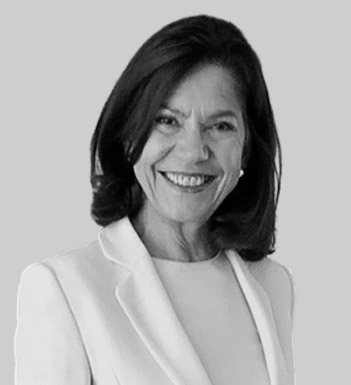
LILLY FRITZ – Richterin, Mediatorin und Executive Coach
COACH UND TRAINERIN
Unterstützung junger Frauen in Führungspositionen, Supervisorin für Konfliktmanagement, Mentorin bei FraMeS
37 JAHRE RICHTERIN
Präsidentin der Amtsgerichte Offenbach und Wiesbaden
Direktorin Amtsgericht Königstein
ZERTIFIZIERT
Zertifizierte Ausbilderin (BAFM) für Mediation, MIND CODEX, Deutscher Juristinnenbund
Tim S. Tabrizi – Gründer & Experte für Führungskräfte-Coaching
Als ehemaliger Unternehmer und Gründer von Ihr Coaching Institut kennt Tim S. Tabrizi die Herausforderungen von Führungskräften aus eigener Erfahrung. Sein Netzwerk aus 35 handverlesenen Coaches – darunter Ex-DAX-Vorstände,
ein FIFA-Weltschiedsrichter und Harvard-Affiliates – deckt das gesamte Spektrum moderner Führung ab: von Change Management über Leadership Development bis hin zu Resilienz unter Druck.
Netzwerk: 35 Top-Coaches mit C-Level-Erfahrung | Mitgliedschaften: DCV · ICF · BDVT · BVMW · GSA | Standort: Oeder Weg 34, 60318 Frankfurt am Main
Ergänzende Formate für Führungskräfte
Wer Führung lebt, steht vor unterschiedlichen Herausforderungen, die sich nicht mit einem einzigen Format lösen lassen. Bei eskalierten Konflikten in der Linie unterstützen wir mit professioneller Mediation bei Führungskonflikten.
Wenn die Aufgabe darin besteht, ein Führungsteam zu entwickeln statt einzelner Persönlichkeiten, ist Team-Coaching für Führungsteams der präzisere Hebel. Geschäftsführer und Vorstände finden in unserem Sparring auf Geschäftsführer-Ebene einen vertraulichen Resonanzraum jenseits klassischer Coaching-Sitzungen.
Reale Beispiele aus unserer Beratungspraxis sind dokumentiert in den Case Studies zu Führungskräfte-Coaching-Mandaten.
Warum Führungskräfte-Coaching in Frankfurt
In Frankfurt führen viele Menschen in Matrixorganisationen: Banken, Versicherungen, Beratungen und internationale Konzernzentralen verlangen, über Standorte, Zeitzonen und Berichtslinien hinweg Wirkung zu erzielen. Wer hier aufsteigt, wird selten an seinem Fachwissen gemessen, sondern daran, ob er Menschen gewinnt, die ihm nicht unterstellt sind.
Führungsthemen gehören laut RAUEN Coaching-Marktanalyse zu den häufigsten Anlässen für Coaching im Beruf. Umso wichtiger ist ein Coach, der selbst Führungsverantwortung getragen hat. Unser Institut im Oeder Weg ist aus Innenstadt, Bankenviertel und Umland schnell erreichbar; viele Sitzungen finden früh morgens oder online statt.
Welche Themen beschäftigen Führungskräfte?
Führungskräfte stehen vor Herausforderungen wie:
Effektive Mitarbeiterführung und Motivation
Entscheidungsfindung unter Unsicherheit
Kommunikation und Konfliktmanagement
Strategische Unternehmensentwicklung
Change-Management und Transformation
Zeitmanagement und persönliche Resilienz
Wie läuft ein Führungskräfte-Coaching ab?
Ein Führungskräfte-Coaching beginnt mit einem kostenlosen Erstgespräch, in dem Ziele und Erwartungen geklärt werden. Anschließend erfolgt ein individuelles Matching mit dem passenden Coach aus unserem 35-köpfigen Experten-Team. Die Coaching-Sitzungen finden in der Regel alle zwei bis vier Wochen statt – wahlweise persönlich in Frankfurt am Main oder online.
Die Dauer eines Coaching-Prozesses liegt typischerweise bei 6 bis 12 Sitzungen.
Was kostet Führungskräfte-Coaching in Frankfurt?
Die Kosten für Führungskräfte-Coaching liegen bei 200 bis 350 Euro pro Stunde, abhängig von der Erfahrung des Coaches und dem gewählten Format. Unser Institut bietet transparente Preismodelle ohne versteckte Kosten. Viele Unternehmen übernehmen die Coaching-Kosten als Personalentwicklungsmaßnahme. Ein unverbindliches Erstgespräch ist kostenlos.
Woran erkennt man einen qualifizierten Führungskräfte-Coach?
Ein qualifizierter Führungskräfte-Coach verfügt über eine zertifizierte Coaching-Ausbildung (z. B. DCV oder ICF), langjährige eigene Führungserfahrung und nachweisbare Referenzen. Achten Sie auf Verbandszugehörigkeit, regelmäßige Supervision und ein wissenschaftlich fundiertes Vorgehen.
Unser Institut ist vom Deutschen Coaching Verband (DCV) zertifiziert und alle Coaches verfügen über mindestens 10 Jahre Berufserfahrung.
Bieten Sie auch Coaching für das mittlere Management an?
Unser Fokus liegt primär auf dem Top-Management (C-Level, Vorstände, Geschäftsführer) und erfahrenen Senior-Führungskräften. Für High-Potentials, die kurz vor dem Sprung ins Top-Management stehen, bieten wir jedoch spezielle, auf den Aufstieg ausgerichtete Karriere-Programme an.
Finden die Sessions bei mir im Büro oder im Institut statt?
Das entscheiden Sie. Wir bieten absolute Flexibilität: Diskrete Sitzungen in unseren repräsentativen Institutsräumen in Frankfurt am Main, Inhouse-Coachings direkt bei Ihnen im Unternehmen oder hochverschlüsselte Remote-Sessions für international agierende Führungskräfte.
Was ist der LINC Personality Profiler?
Der LINC Personality Profiler ist ein wissenschaftlich fundiertes, auf den „Big Five“ basierendes Diagnostik-Tool. Wir nutzen es im Führungskräfte-Coaching, um Ihre unbewussten Verhaltensmuster, blinden Flecken und intrinsischen Motive datenbasiert sichtbar zu machen, bevor wir mit dem eigentlichen Sparring beginnen.
Der ROI von Leadership Coaching: Warum sich die Investition rechnet
ROI auf einen Blick: Investition pro Führungskraft: 10.000–30.000 € · Return laut ICF: 5,7-facher ROI · Wirksamkeit: 87 % spüren Verbesserung in 6 Monaten
Laut der RAUEN Coaching-Marktanalyse 2024 investieren deutsche Unternehmen durchschnittlich 10.000 bis 30.000 Euro pro Führungskraft in ein begleitendes Coaching-Programm. Die International Coach Federation (ICF) beziffert den Return on Investment auf das 5,7-fache der eingesetzten Mittel.
Bei Führungskräfte Coaching Frankfurt profitieren Unternehmen zusätzlich von der Nähe zum größten Finanzplatz Europas – mit Coaches, die die Dynamiken von DAX-Konzernen, der Europäischen Zentralbank und internationaler Beratungshäuser aus erster Hand kennen.
Die messbaren Ergebnisse unserer Klienten sprechen für sich: 87 Prozent berichten von einer signifikanten Verbesserung ihrer Führungswirksamkeit innerhalb der ersten sechs Monate. Typische Veränderungen umfassen eine erhöhte Entscheidungssicherheit, bessere Konfliktlösungskompetenz und eine spürbar gestiegene Mitarbeiterbindung im eigenen Team.
Gerade im Rhein-Main-Gebiet, wo der Wettbewerb um Talente besonders intensiv ist, wird Führungskräfte Coaching Frankfurt zu einem strategischen Vorteil in der Personalentwicklung.
In unserer Praxis zeigt sich: Führungskräfte, die ein strukturiertes Coaching durchlaufen, berichten nach durchschnittlich sechs Monaten von messbaren Verbesserungen in Entscheidungsqualität, Konfliktmanagement und strategischer Kommunikation.
Besonders im Frankfurter Finanzsektor, wo Führungsentscheidungen unmittelbare Auswirkungen auf Millionenbudgets haben, macht dieser Unterschied den entscheidenden Wettbewerbsvorteil aus. Unsere Coaches begleiten aktuell Führungskräfte aus über 40 Unternehmen der Rhein-Main-Region – von mittelständischen Hidden Champions bis zu börsennotierten Konzernen.
Unsere Coaching-Methoden: Wissenschaftlich fundiert, praxiserprobt
Unser Führungskräfte Coaching Frankfurt basiert auf einem integrativen Methodenmix, der individuell auf die Herausforderung jeder Führungskraft zugeschnitten wird. Zu den Kernelementen gehören systemisches Coaching nach den Standards des Deutschen Coaching Verbands (DCV), evidenzbasierte Ansätze aus der Positiven Psychologie sowie Sparring-Formate,
die speziell für C-Level-Entscheider entwickelt wurden.
Anders als viele Anbieter setzen wir auf ein 360-Grad-Feedback zu Beginn jedes Coaching-Prozesses. Dieses strukturierte Fremdbild – ergänzt durch validierte Persönlichkeitsdiagnostik wie den LINC Personality Profiler – schafft eine objektive Standortbestimmung.
Darauf aufbauend entwickeln Coach und Führungskraft gemeinsam einen individuellen Entwicklungsplan mit messbaren Meilensteinen. Regelmäßige Reflexionsschleifen und ein optionales Sparring mit einem zweiten Coach aus unserem Netzwerk sichern nachhaltige Ergebnisse.
Was unser Institut von klassischen Coaching-Anbietern in Frankfurt unterscheidet: Jeder unserer 35 Coaches bringt mindestens 15 Jahre eigene Führungserfahrung mit – viele davon auf C-Level oder Vorstandsebene. Diese gelebte Erfahrung ermöglicht ein Sparring auf Augenhöhe, das rein akademisch ausgebildete Coaches nicht bieten können.
Unsere Klienten schätzen besonders die Kombination aus wissenschaftlicher Methodik und dem pragmatischen Verständnis für die Realitäten in Vorstandsetagen und Geschäftsführungen.
Ob Onboarding in eine neue Führungsrolle, die Bewältigung von Change-Prozessen, agile Führung in dynamischen Märkten oder die persönliche Weiterentwicklung als Leader – wir passen unser Coaching exakt an Ihre Situation an.
Dabei profitieren Sie von einem Netzwerk aus Coaches mit Branchenschwerpunkten in Finance, Pharma, IT und Industrie, die die spezifischen Anforderungen Ihrer Branche aus eigener Erfahrung kennen.
Über den Autor
Tim S. Tabrizi (Global Executive MBA, IESE Business School) ist Gründer des Ihr Coaching Instituts in Frankfurt sowie Group CEO und Vorstandsvorsitzender der infoteam Software AG. Zuvor war er Vorstand bei WS Audiology und General Manager der Sivantos Group – 28 Jahre in Medizintechnik, Telekommunikation und Software, über 20 davon in Führungsverantwortung. Im Führungskräfte-Coaching verbindet das Institut diese Praxis mit den Methoden von 35 zertifizierten Coaches. LinkedIn-Profil | Ihr Coaching Institut auf LinkedIn