
Life Coaching Frankfurt: Persönliche Veränderung mit Tiefgang
Lebensphasen-Coaching mit Tiefgang. Wenn beruflicher Erfolg allein nicht mehr trägt, beginnt die Arbeit am eigenen Lebensentwurf. Wir begleiten Entscheider in den Phasen, in denen das alte System Risse zeigt – diskret, evidenzbasiert, ohne Esoterik. Psychologie, Neurowissenschaft und Executive-Erfahrung unter einem Dach.

35 zertifizierte Coaches Darunter Ex-CEOs, Harvard-Affiliates und TED-Speaker
Individuelles Matching Der richtige Experte für Ihre Herausforderung
DAX-Referenzen Siemens, Deutsche Bank, Lufthansa und weitere
Life Coaching ist einer von vielen Wegen – alle Coaching-Angebote unseres Instituts in Frankfurt zeigen wir auf der Startseite.


Kein „Tschakka“. Sondern Life Architecture.
Viele Life Coaches arbeiten rein intuitiv oder esoterisch. Für rational denkende Führungskräfte reicht das nicht. Unser Ansatz ist biometrisch und strategisch:
- Neurobiologie statt Bauchgefühl: Dr. Carlos Davidovich nutzt Erkenntnisse der Hirnforschung, um Stressresistenz nicht nur „einzureden“, sondern physiologisch herzustellen.
- Systemik statt Ratschläge: Natalie Wintermantel (Dipl.-Psych.) analysiert Ihr privates System mit derselben Präzision wie eine Unternehmensstruktur.
- Performance statt „Auszeit“: Wir schicken Sie nicht ins Kloster. Wir bauen Routinen, die in Ihrem 14-Stunden-Tag funktionieren.
Wann Life Coaching zur strategischen Notwendigkeit wird
Wir lösen keine „Alltagsprobleme“. Wir lösen Blockaden, die Ihre Performance gefährden.
- High-Functioning Burnout: Sie funktionieren nach außen perfekt, aber innerlich fühlen Sie nichts mehr. Wir stellen die emotionalen Sensoren wieder scharf, bevor der Systemabsturz kommt.
- Post-Exit Leere („What’s next?“): Sie haben das Unternehmen verkauft oder das Karriereziel erreicht – und spüren statt Freude nur Leere. Wir designen Ihre „Legacy“ und den nächsten Sinn-Abschnitt.
- Lonely at the Top: Sie können mit niemandem (weder Partner noch Board) offen über Ihre Ängste sprechen. Wir sind Ihr „Safe Space“ für radikale Offenheit.
- Beziehungs-Management: Der Erfolg fordert Tribut in der Ehe oder Familie. Wir helfen Ihnen, die private Kommunikation so professionell zu führen wie die berufliche.
Ihre Private Sparring Partners
Natalie Wintermantel (Die Psychologin): Diplom-Psychologin. Spezialisiert auf familiäre Systeme und emotionale Blockaden bei High-Performern.
Dr. Carlos Davidovich (Der Neurowissenschaftler): Arzt & Coach. Erklärt Ihnen, wie Sie Ihre Biochemie (Schlaf, Dopamin, Cortisol) managen, um leistungsfähig und glücklich zu bleiben.
Urs Meier (Der Entscheider): Ex-FIFA-Schiedsrichter. Trainiert Sie darin, Druck im Privatleben nicht an sich heranzulassen.
Jennifer Baumann (Female Focus): Spezialisiert auf die Doppelbelastung von weiblichen Führungskräften (Karriere & Familie).
Unser Team ist für Sie da
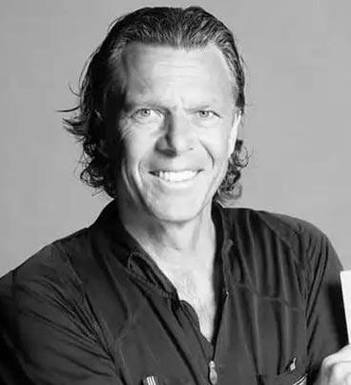
URS MEIER – Executive Coach für Entscheidungsstärke unter Druck
BEOBACHTER UND ENTSCHEIDER:
FIFA-Weltschiedsrichter: 880+ Profi-Spiele, 6x Schiedsrichter des Jahres
AUTOR
„Du bist die Entscheidung“
FERNSEHKOMMENTATOR
Deutscher Fernsehpreis zur WM 2006
TEDx Speaker
„Vision with action can change the world“
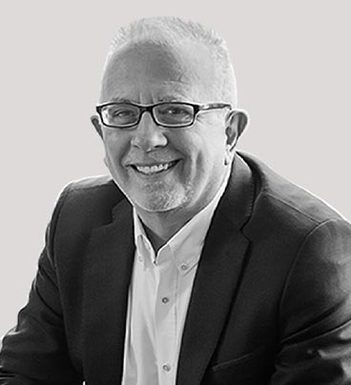
DR. CARLOS DAVIDOVICH – Executive Coach für Neuroleadership
VORDENKER
Institute of Coaching at McLean Hospital, a Harvard Medical School Affiliate
PERFORMANCE COACH & KEY NOTE SPEAKER
+20 Jahre Erfahrung als Performance Coach
AUTOR & CO-AUTOR
Five Brain Leadership, Personality DNA
TED Talk
TEDxUNYP Vortrag
Thema: Five-brains: how neuroscience can help you to become a better leader.

HOLGER BRÖER – Experte für Sales, Kaltakquise und Business-Strategien
MENSCHENVERBINDER rong>
Sales und Neukundengewinner
seit über 40 Jahren, weit über 30.000 geführte Akquise Cold Calls, hunderte Vorträge & Coachings
FACTS TELL – STORIES SELL
Experte in der Entwicklung und Implementierung von Selling Stories
UNTERNEHMER
Serial Unternehmer seit 25 Jahren, Gründer und CEO BeALifeChanger LLC. in Los Angeles, CA.; Bröer & Partner GmbH & Co.KG, Deutschland
Unsere Kunden kommen von:






Tim S. Tabrizi – Gründer & Executive Coach
Tim S. Tabrizi gründete Ihr Coaching Institut 2021 in Frankfurt am Main mit einer klaren Vision: Business Coaching auf C-Level-Niveau, das Ergebnisse liefert statt Theorie vermittelt. Als Vorstand mit über 20 Jahren Führungserfahrung in DAX-nahen Umfeldern weiß er, welche Herausforderungen Entscheider wirklich beschäftigen – und welche Lösungen funktionieren.
LinkedIn-Profil → | Autorenseite →
Netzwerk: 35 handverlesene Coaches – Ex-DAX-Vorstände, Harvard-Affiliates, TED-Speaker | Mitgliedschaften: DCV · ICF · BDVT · BVMW · GSA | Standort: Oeder Weg 34, 60318 Frankfurt am Main
Life Coaching bleibt klar im Coaching-Rahmen: Nach dem Deutschen Bundesverband Coaching (DBVC) richtet sich Coaching an gesunde Menschen; typische Anlässe sind persönliche Entwicklung und die Balance zwischen Beruf und Privatleben. Qualitätsstandards für Beratung in der Arbeitswelt setzt zudem die Deutsche Gesellschaft für Supervision und Coaching (DGSv).
Was unsere Klienten sagen
„Nach 3 Monaten Coaching habe ich mein Führungsteam komplett neu aufgestellt – die Fluktuation sank um 40%. Kein Vergleich zu früheren Coaching-Erfahrungen.“
Dr. M. K. – CEO, Technologie-Mittelstand
„Das Sparring mit meinem Coach hat mir geholfen, eine 200-Mio-Akquisition sauber zu navigieren. Diskret, direkt, ohne Umwege.“
C. D. – Vorstand, DAX-Konzern
„Als Gründerin fehlte mir ein ehrlicher Sparringspartner auf Augenhöhe. Hier habe ich ihn gefunden – und mein Unternehmen wächst seitdem profitabel.“
S. R. – Geschäftsführerin, Scale-up Frankfurt
Fragen zur Zusammenarbeit
ROI von Life Coaching: Messbare Veränderungen statt Wellness-Versprechen
Life Coaching ist keine weiche Investition. Eine Studie der International Coaching Federation (ICF) zeigt: 80% der Klienten berichten von gesteigertem Selbstvertrauen, 70% von verbesserter Work-Life-Balance, 67% von höherer Arbeitszufriedenheit.
Im Ihr Coaching Institut beobachten wir bei unseren Klienten konkrete Veränderungen innerhalb der ersten 8 bis 12 Sitzungen: Klarheit über die eigene Lebensrichtung, Auflösung wiederkehrender Beziehungs- und Karrierekonflikte, Aufbau eines persönlichen Stressmanagement-Systems das im Alltag standhält.
Warum Life Coaching in Frankfurt? Der C-Level-Kontext
Frankfurt am Main ist Deutschlands Finanzhauptstadt — ein Hochleistungs-Umfeld, in dem persönliche Stabilität direkt die berufliche Performance entscheidet. Wer hier auf C-Level wirkt, braucht keinen Wellness-Workshop im Schwarzwald, sondern erfahrene Sparring-Partner, die das Spielfeld verstehen.
Unser Institut im Nordend bietet diskretes Life Coaching für Führungskräfte, die ihre privaten Themen nicht in der Kantine besprechen können. Forschungsbasiert nach Methoden, die auch an der Harvard Medical School gelehrt werden, mit Ansätzen aus Neurobiologie und systemischer Therapie.
Gründervision: Warum Tim S. Tabrizi dieses Institut gegründet hat
Tim S. Tabrizi, Gründer und Executive Coach im Ihr Coaching Institut, hat das Institut 2021 mit einer klaren Vision gestartet: Coaching für Top-Führungskräfte muss evidenzbasiert sein, nicht esoterisch. „Ich habe zu viele teure Coaches gesehen, die nur Plattitüden verkaufen“, sagt Tabrizi.
Wir wollten ein Institut bauen, das Psychologie, Neurowissenschaft und unternehmerische Erfahrung unter einem Dach bündelt und das diskret arbeitet. Mehr über Tims Werdegang auf LinkedIn.
Über den Autor
Tim S. Tabrizi ist Gründer und Executive Coach am Ihr Coaching Institut in Frankfurt. Mit über 20 Jahren Erfahrung im Life Coaching für Führungskräfte verbindet er evidenzbasierte Methoden mit strategischem Denken. LinkedIn-Profil | Unser Experten-Team
Warum Institut statt Einzel-Coach? Tiefe, Diskretion, Breite.
Ein einzelner Life Coach hat eine Methode. Wir geben Ihnen Zugriff auf ein Team aus Psychologen, Mediziner und Ex-CEOs. Wenn Ihr Thema medizinisch wird, holen wir Dr. Carlos Davidovich dazu. Wenn es um Familiendynamik geht, übernimmt Dipl.-Psych. Natalie Wintermantel. Bei strategischen Karriere-Übergängen steht Tim S.
Tabrizi bereit. Sie buchen das ganze Gehirn, nicht nur einen Teil.
Wann Life Coaching auf C-Level geschäftsentscheidend wird
Life Coaching ist keine Wellness-Verlängerung. Es greift in vier Situationen, in denen Ihre persönliche Stabilität direkt die berufliche Performance entscheidet: bei Karriere-Plateau trotz Spitzenleistung, bei Beziehungs-Erosion durch chronische Überlast, in der Post-Exit-Phase nach Unternehmensverkauf, und in der existentiellen Sinnfrage nach 50.
Unser Ansatz: Neurowissenschaft statt Eso-Sprüche
Drei Pfeiler tragen unser Life Coaching: Systemische Analyse Ihres privaten Kontextes mit der Präzision einer Unternehmensstruktur. Neurobiologische Interventionen, die Stressresistenz nicht einreden, sondern physiologisch herstellen. Strategische Routinen, die in einem 14-Stunden-Tag funktionieren — nicht im Kloster.
Kennen Sie diese Lebensphasen-Herausforderungen?
High-Functioning Burnout
Sie funktionieren nach außen perfekt, aber innerlich spüren Sie nichts mehr. Wir reaktivieren Ihre emotionalen Sensoren, bevor der Systemabsturz kommt.
Beziehungs-Erosion durch Workload
Der Erfolg fordert Tribut in Ehe oder Familie. Wir helfen Ihnen, private Kommunikation so professionell zu führen wie Vorstandsmeetings.
Post-Exit-Sinnfrage
Sie haben das Unternehmen verkauft oder das Karriereziel erreicht und spüren statt Freude nur Leere. Wir designen Ihre Legacy und den nächsten Sinn-Abschnitt.
Einsamkeit an der Spitze
Sie können mit niemandem — weder Partner noch Board — offen über Ihre Ängste sprechen. Wir sind Ihr Safe Space für radikale Offenheit unter NDA.
Ihre Coaches für Lebensphasen-Themen: 3 von 35 Experten
Natalie Wintermantel — Dipl.-Psychologin
Spezialistin für familiäre Systeme und emotionale Blockaden bei High-Performern. Psychologische Tiefe trifft auf systemische Strategie. Profil: Natalie Wintermantel.
Dr. Carlos Davidovich — Neurowissenschaftler und Coach
Arzt und Coach. Erklärt Ihnen, wie Sie Biochemie (Schlaf, Dopamin, Cortisol) managen, um leistungsfähig und glücklich zu bleiben. Profil: Dr. Carlos Davidovich.
Tim S. Tabrizi — Executive Coach für Karriere-Übergänge
Gründer des Ihr Coaching Institut. Spezialisiert auf Karriere-Plateaus, Post-Exit-Phasen und strategische Lebens-Neuausrichtung für C-Level. Profil: Tim S. Tabrizi.
Was unsere Klienten sagen
„Nach acht Sitzungen habe ich erstmals seit Jahren wieder klar gesehen, was ich eigentlich will.“ — Vorstand, DAX-30 Unternehmen
„Die Mischung aus Psychologie, Neurowissenschaft und Executive-Erfahrung gibt es woanders nicht. Ich konnte radikal offen sein.“ — Geschäftsführerin, Frankfurter Kanzlei
Häufige Fragen zum Life Coaching
Was ist Life Coaching?
Life Coaching begleitet Sie bei persönlichen Weichenstellungen: Übergänge zwischen Lebensphasen, Sinnfragen oder die Balance zwischen Beruf und Privatleben. Es nimmt den ganzen Menschen in den Blick, bleibt aber lösungs- und zielorientiert.
Ersetzt Life Coaching eine Psychotherapie oder ärztliche Behandlung?
Nein. Coaching richtet sich an gesunde Menschen, die an beruflichen oder persönlichen Zielen arbeiten wollen. Bei psychischen Erkrankungen, anhaltender Erschöpfung oder körperlichen Beschwerden gehört die Abklärung zuerst in ärztliche oder psychotherapeutische Hände. Coaching kann eine Behandlung begleiten, aber nicht ersetzen.
Was kostet Life Coaching in Frankfurt?
Das Stundenhonorar beträgt für Selbstzahler 220 € zzgl. MwSt. (261,80 € inkl. 19 % MwSt.), bei Firmenmandaten mit Rechnung an den Arbeitgeber 330 € zzgl. MwSt. (392,70 € inkl. MwSt.). Das Erstgespräch ist kostenfrei. Alle Details finden Sie in unserer Übersicht zu Coaching-Kosten und Honoraren.
Wie läuft das Erstgespräch ab?
Im kostenfreien Erstgespräch klären wir Ihr Anliegen und Ihre Erwartungen und schlagen Ihnen einen passenden Coach aus unserem Team vor. Danach entscheiden Sie in Ruhe, ob und wie Sie starten möchten.
Wie viele Sitzungen sind sinnvoll?
Das hängt von Ihrem Anliegen ab. Viele Klienten arbeiten mit sechs bis zehn Sitzungen, verteilt über mehrere Monate. Den genauen Rahmen legen wir im kostenfreien Erstgespräch gemeinsam fest.
Ist das Coaching auch online möglich?
Ja. Die Sitzungen finden in unseren Räumen im Frankfurter Nordend (Oeder Weg) oder verschlüsselt per Video statt. Viele Klienten kombinieren beides. Mehr dazu auf unserer Seite zum Online-Coaching für Führungskräfte.
Wie schnell bekomme ich einen Termin?
In der Regel bieten wir innerhalb von 3 bis 5 Werktagen ein kostenfreies Erstgespräch an. Dort klären wir Ihr Anliegen und stellen Ihnen den passenden Coach aus unserem Team vor.
Welche Coaching-Formen ergänzen Life Coaching?
Je nach Lebensphase und Anliegen kombinieren wir Life Coaching mit anderen Formaten: Executive Coaching für strategische Karriere-Themen, Mediation bei Familien- oder Geschäftspartner-Konflikten, Burnout-Prävention bei akuten Stress-Symptomen und Karriere Coaching für Übergangsphasen.